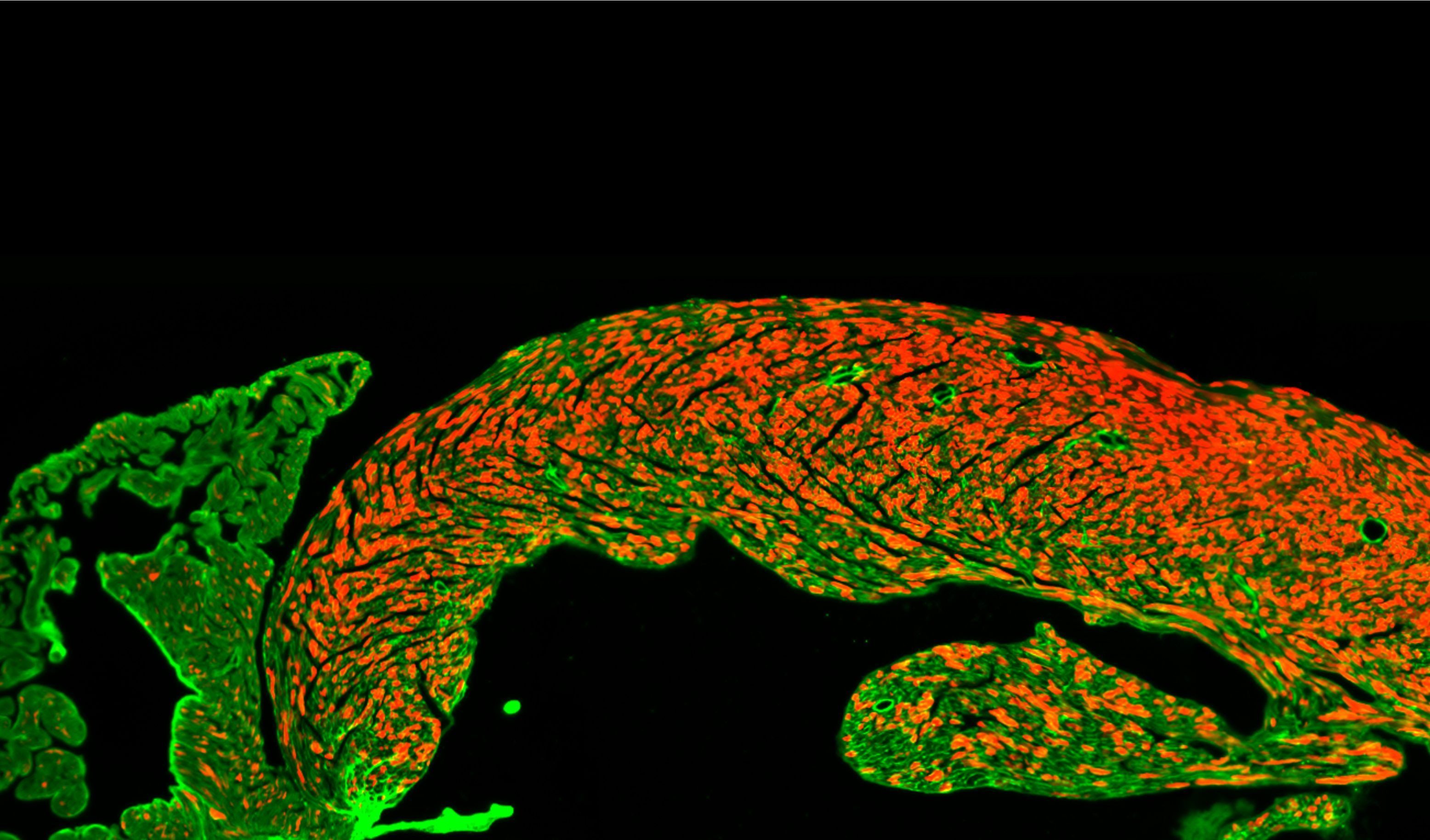
The VanDusen Lab
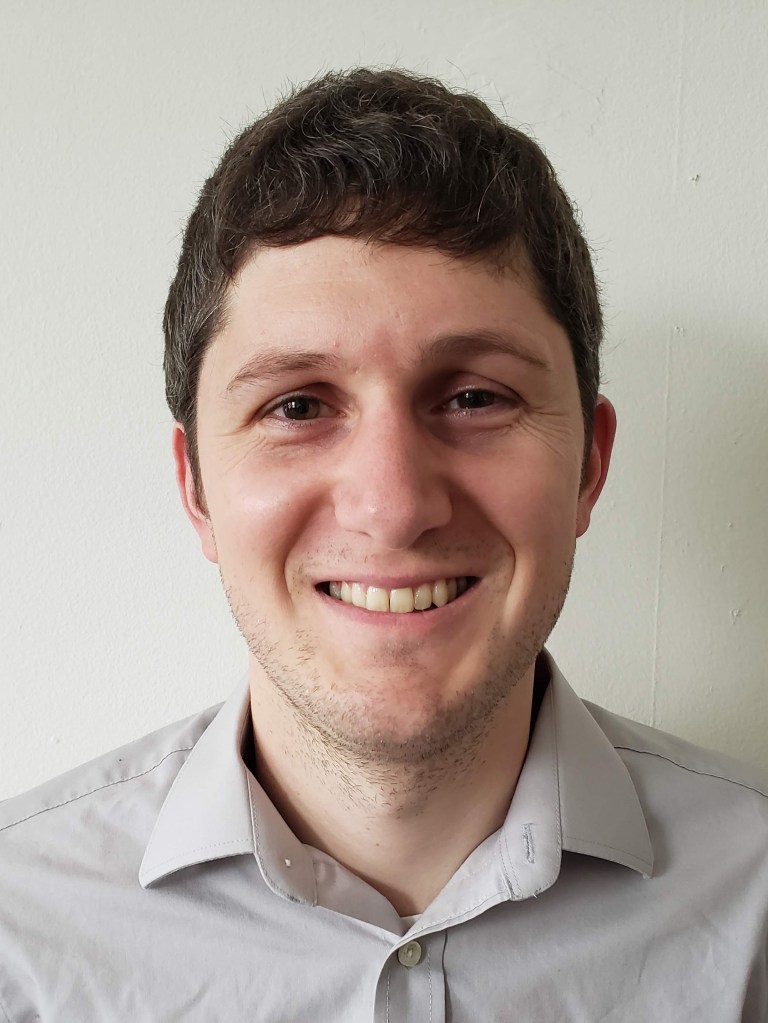
Meet the PI: Nathan VanDusen, Ph.D.
Dr. VanDusen joined the Indiana University School of Medicine Cardiac Developmental Biology group during the summer of 2022, as an Assistant Professor of Pediatrics. The lab’s major technical focuses include genome editing, functional genomics, and genetic engineering. We seek to creatively apply these disciplines to the fields of cardiac development and disease, with current major focuses on cardiomyocyte maturation, cardiac regeneration, gene therapy systems development, and heart failure.

Research Areas
Development and Maturation
During normal heart development cardiomyocytes undergo dramatic changes in gene expression and phenotype between birth and adulthood. This process is called cardiomyocyte maturation. In contrast, stem cell derived cardiomyocytes fail to mature, which limits their utility. Furthermore, cardiomyocyte maturation coincides with loss of regenerative capacity, which is a major barrier for development of cardiac regenerative therapies. To address these challenges we are currently using epigenomics and functional genomics to thoroughly characterize transcriptional control of crucial maturational processes.
Precise Genome Editing
Somatic cell precise gene editing has tremendous potential for treating a broad range of diseases, especially those with a genetic basis. In a recent study, we demonstrated that CRISPR/AAV-mediated precise genome editing can occur with surprisingly high efficiencies in the mouse heart. However, efficiency varies greatly between different target loci, and even at ideal loci there remains room for improvement. Current studies in the VanDusen Lab aim to better characterize the molecular mechanisms governing CRISPR/AAV-mediated homology-directed repair, with the goal of engineering gene therapy strategies with improved safety and efficacy.
Adult Cardiac Disease
Studies on maturation can naturally be extended to the disease state, such as pathological cardiomyocyte hypertrophy, where reactivation of components of the immature gene program is frequently observed. Although some transcriptional regulators of hypertrophy have been identified, systematic unbiased in vivo approaches to identifying key regulatory programs are lacking. The VanDusen Lab aims to address this deficiency by employing a variety of high-throughput functional genomics methodologies to identify key disease pathways and regulators. These methods will provide insights into the molecular mechanisms of hypertrophy and have the potential to inspire novel therapeutics.

Training Opportunities
In addition to learning basic molecular and cardiac biology, members gain expertise in high-demand areas:
Experimental design for custom NGS-based assays: Indexing for multiplexed pooled sequencing, unique molecular identifiers, best practices for propagating and manipulating large molecular libraries, etc.
Bioinformatics:. Learn to use common bioinformatics programs, run jobs on an IU supercomputing cluster, Python and shell scripting for custom pipelines. Machine learning opportunities will be plentiful.
AAV biology: Learn to produce and use a variety of AAV serotypes. AAV is currently the most popular vector for gene therapy – experience is great for those interested in academia or industry!
Gene editing: Somatic mutagenesis, AAV-mediated homology directed repair, RNA base editors and more!
Mammalian model systems: Learn the basics of working with genetically modified mice, and advanced techniques related to cardiac biology.

Key Links
Herman B Wells Center / Cardiac Developmental Biology Group
Dr. VanDusen faculty page
Dr. VanDusen ORCID page
Lab news on Twitter: @njvdn
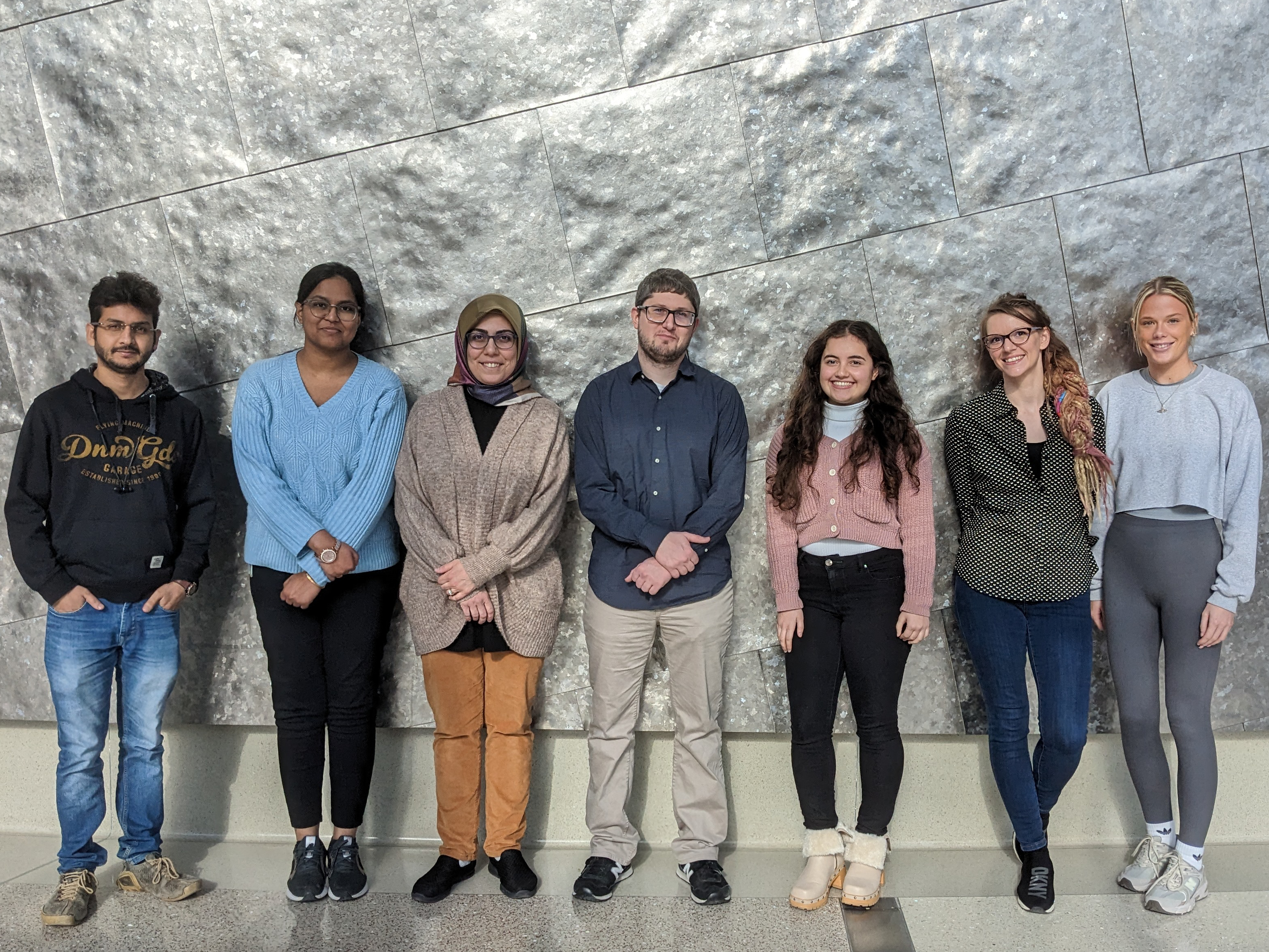
Join the VanDusen Lab!
Ambitious trainees with an interest in molecular biology and cutting-edge genomics technologies are encouraged to inquire about current openings.
 VanDusen Lab